A two-day workshop · September 29–30, 2026
Convergent
Intelligence
AI hardware co-design and the future of intelligence.
01 / The premise
The next era of AI will be designed together.
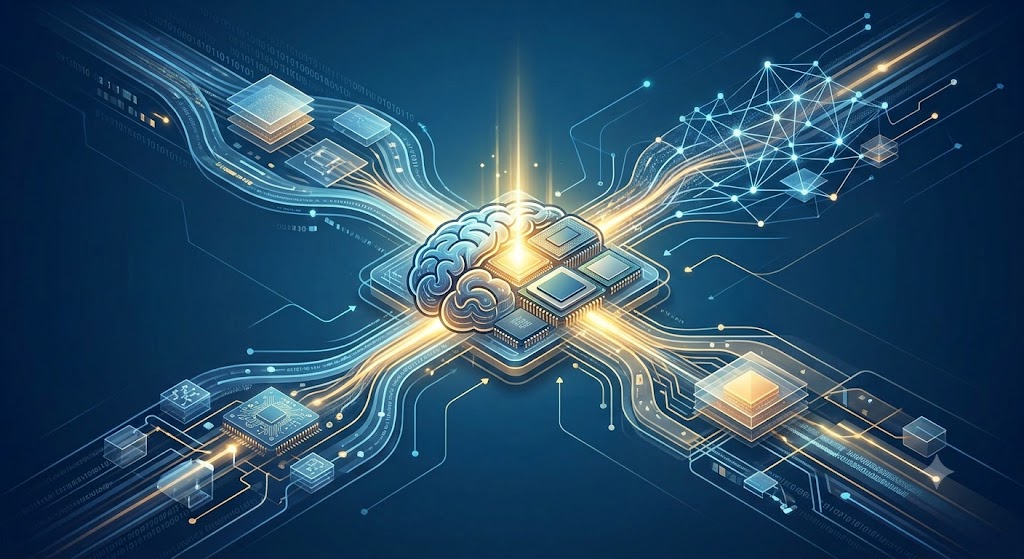
As AI’s computational and energy demands accelerate, progress requires more than capable models. This workshop brings researchers, engineers, open-source developers, and industry partners together to rethink how AI systems are designed, built, and deployed.
Convergent intelligence
Algorithms, hardware, software architectures, design tools, and data resources developed in close coordination—enabling AI that is more efficient, sustainable, accessible, and scalable.
02 / Program
Program
Two days of conversation across the AI computing stack, from algorithms and data to tools, systems, and novel hardware architectures. Full session-by-session detail is on the Indico timetable ↗.
Day 1
Foundations, Ecosystems, Emerging Technologies & Applications
Sept 29
Foundations, Ecosystems, Emerging Technologies & Applications
Breakfast & Networking
Welcome & Opening Remarks
Mark Neubauer
University of Illinois Urbana-ChampaignCo-Designing the Next Generation of AI Computing Infrastructure
Nhan Tran
Fermil National Accelerator LaboratoryHLS4ML Toolkit and NSF Phase-II POSE Project: Open Infrastructure for Accessible AI Hardware
Seda Ogrenci
Northwestern UniversityOpen Source Tools for FPGAs
Edmund Humenberger
Symbiotic EDACoffee Break
Responsible AI in the Generative Era
Anne Lee
Bell Labs FellowReal-Time AI for Science: The Accelerated AI Institute for Data-Driven Discovery
Shih-Chieh Hsu
University of WashingtonReal-Time AI for Fusion Energy Research
Tom Gibbs
NVIDIALunch & Networking
Robot Intelligence through the Perception Laboratory at TTI-Chicago
Matthew Walter
Toyota Technological Institute at ChicagoSafety Evaluation and Improvement for Embodied AI Systems
Qi Zhu
Northwestern UniversityCoffee Break
Computing and AI via Molecular Excitations
Matthew Du
University of ChicagoBiological Organoids for Intelligent Systems: The Mind in-Vitro Project
Mattia Gazzola
University of Illinois Urbana-ChampaignBuilding the Quantum–HPC Ecosystem: Co-Design Across Hardware, Software, Science, and Industry
Laura Schulz
Argonne National LaboratoryReception & Networking
Day 2
Industry Partnerships, Workforce Development & Future Directions
Sept 30
Industry Partnerships, Workforce Development & Future Directions
Breakfast & Networking
Discovery Partners Institute: Powering Responsible AI Innovation
Gene Robinson
University of Illinois Urbana-ChampaignIBM-Illinois Discovery Accelerator Institute
Klara Nahrstedt
University of Illinois Urbana-ChampaignFastML Foundation and the Next Phase of Open AI Hardware Innovation
Phil Harris
Massachusetts Institute of TechnologyCoffee Break
mHUB: An Innovation Center for All Things HardTech
Bill Fienup
mHUBPhysical AI and Neuromorphic Computation
Jennifer Hasler
Georgia Institute of TechnologyIllinois Quantum and Microelectronics Park
Andrew Lytle
IQMPLunch & Networking
Quantum Science with Neutral Atom Arrays
Jacob Covey
University of ChicagoNeural Atom Quantum Computing at Pasqal
Heejeong Jeong
Pasqal USA Inc.Adaptive-Window Decoding for Real-Time Quantum Error Correction
Tina Oberoi
University of ChicagoCoffee Break
Building Collective Intelligence for Autonomous Discovery at DATAERAI
Joshua Agar
DataeraiAI / Machine Health / Edge Intelligence at BY-AITECH
Shih-Chieh Hsu
University of WashingtonApplications of FPGAs to Financial Services and Beyond
David Lariviere
University of Illinois Urbana-ChampaignPanel: Workforce Development for the AI / Quantum Hardware Era
Goal: Identify the skills, institutional structures, and cross-sector partnerships needed to build a workforce that is fluent in both AI and quantum technologies — and positioned to drive discovery at their intersection.
Key Questions:
- What does the ideal training pipeline look like? — Where are the biggest gaps today in producing researchers and practitioners who can work fluidly across AI, quantum hardware, and domain science, and how should universities, national labs, and industry collaborate to close them?
- How do we keep training in step with a fast-moving hardware landscape? — As AI accelerators, neuromorphic chips, and quantum devices evolve rapidly, which foundational skills will stay durable, and how can curricula, internships, and industry–academic partnerships adapt quickly enough to meet real hiring needs in the region and beyond?
Moderator: Ahmet Enin Cetin University of Illinois Chicago
Panelists: Hei-Chi Chan University of Illinois Springfield | Ana Marija Sokovic University of Illinois Chicago | Qiaohong (Joanna) Wang University of Chicago | Xiaochen Zhang AI 2030
03 / People
Speakers
Jacob Covey
University of Chicago Associate Professor of Molecular Engineering, Pritzker School of Molecular Engineering and the Department of Physics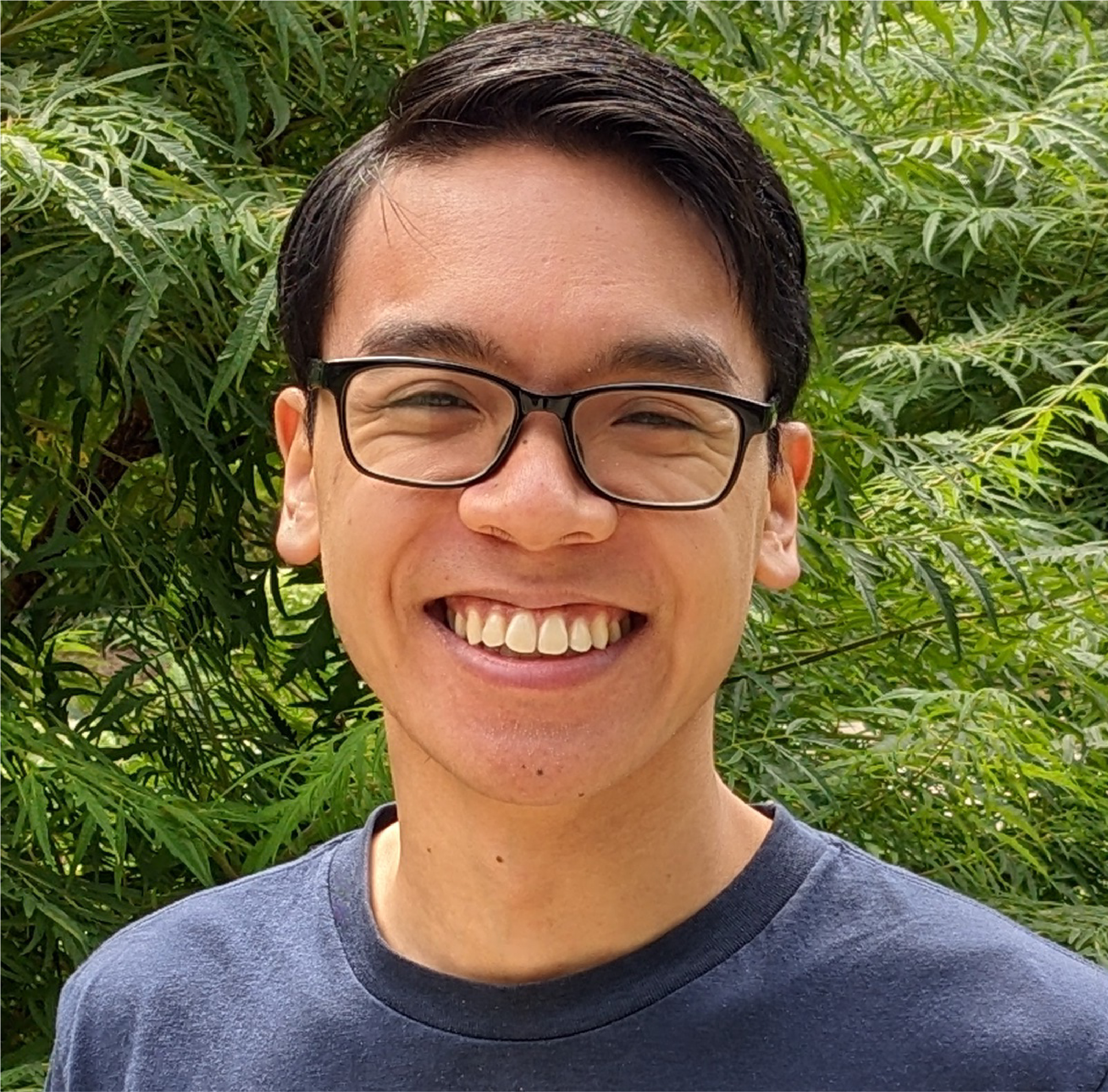
Matthew Du
University of Chicago James Franck Institute Postdoctoral Research Associate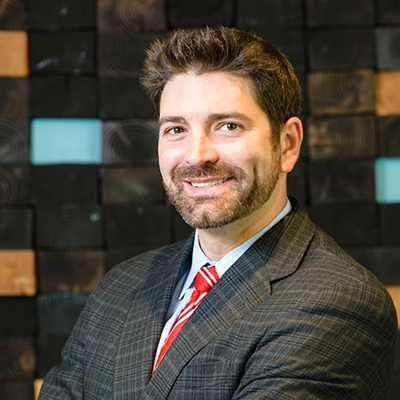
Bill Fienup
mHUB VP of Innovation Services & Co-founder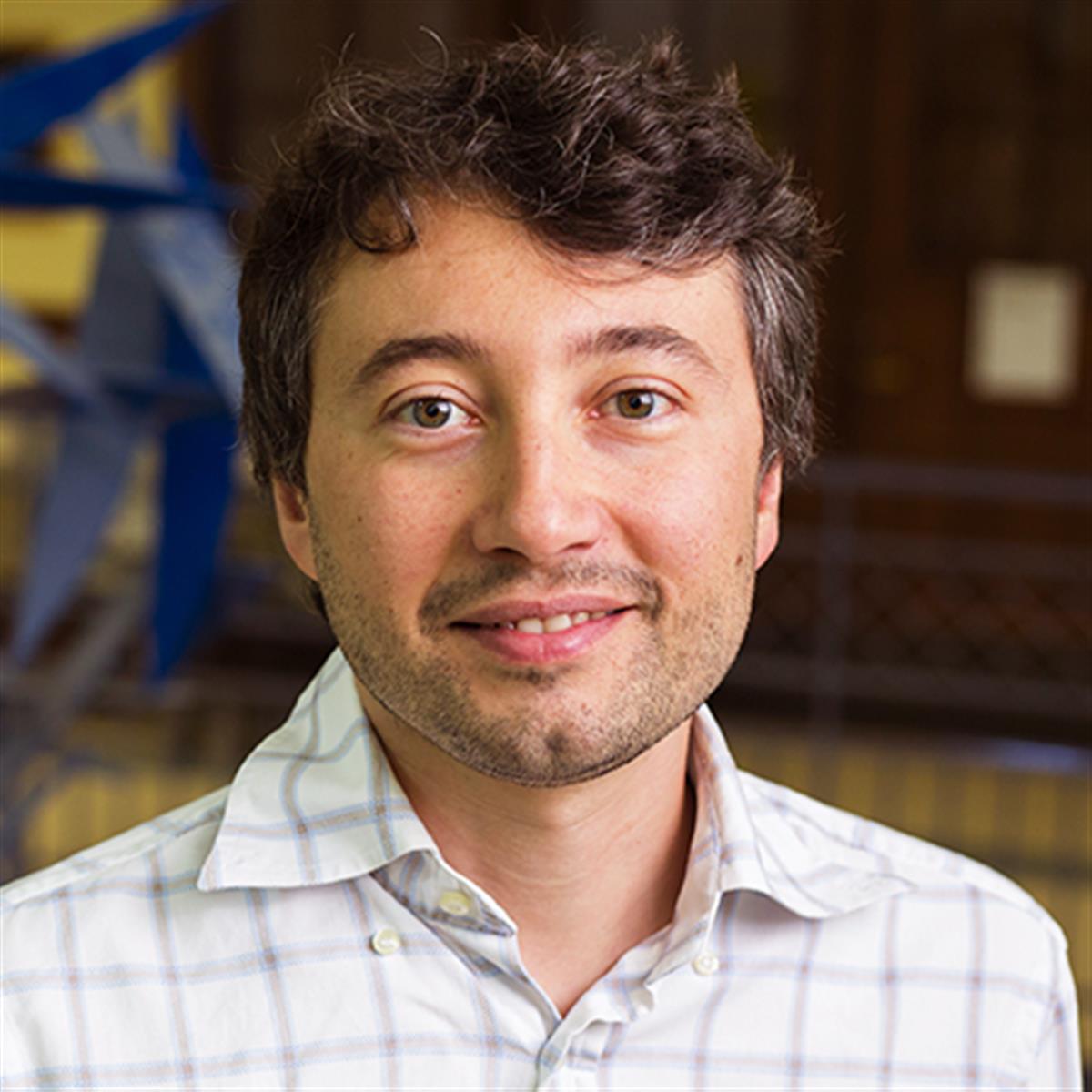
Mattia Gazzola
University of Illinois Urbana-Champaign Associate Professor in Mechanical Science & Engineering Director, Mind in Vitro
Tom Gibbs
NVIDIA Senior Business Development Manager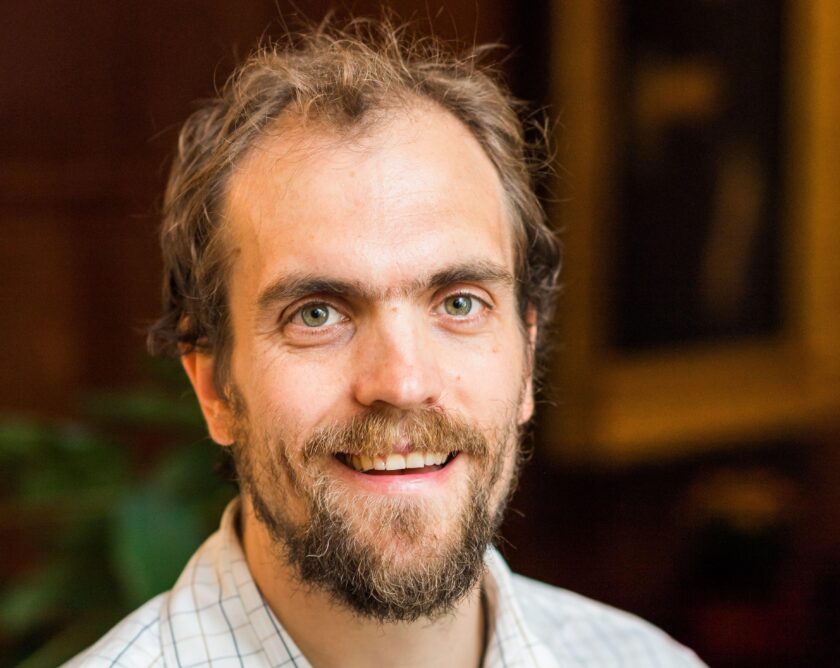
Phil Harris
Massachusetts Institute of Technology Associate Professor of Physics A3D3 Institute Deputy Director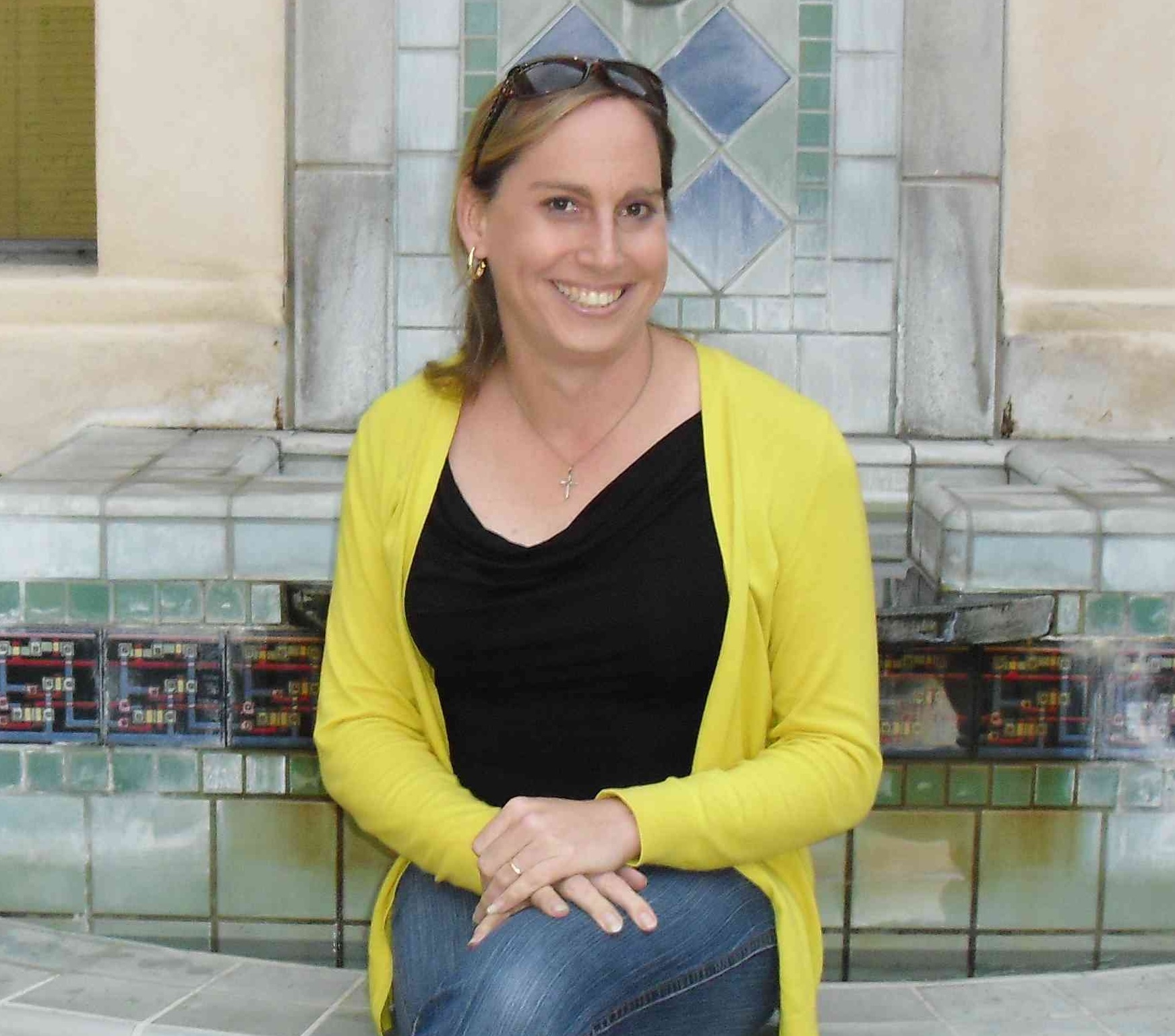
Jennifer Hasler
Georgia Institute of Technology Professor of Electrical Engineering Director, Integrated Computational Electronics Laboratory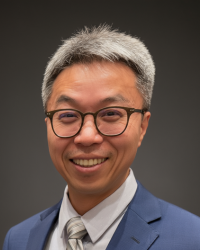
Shih-Chieh Hsu
University of Washington Professor of Physics A3D3 Institute Director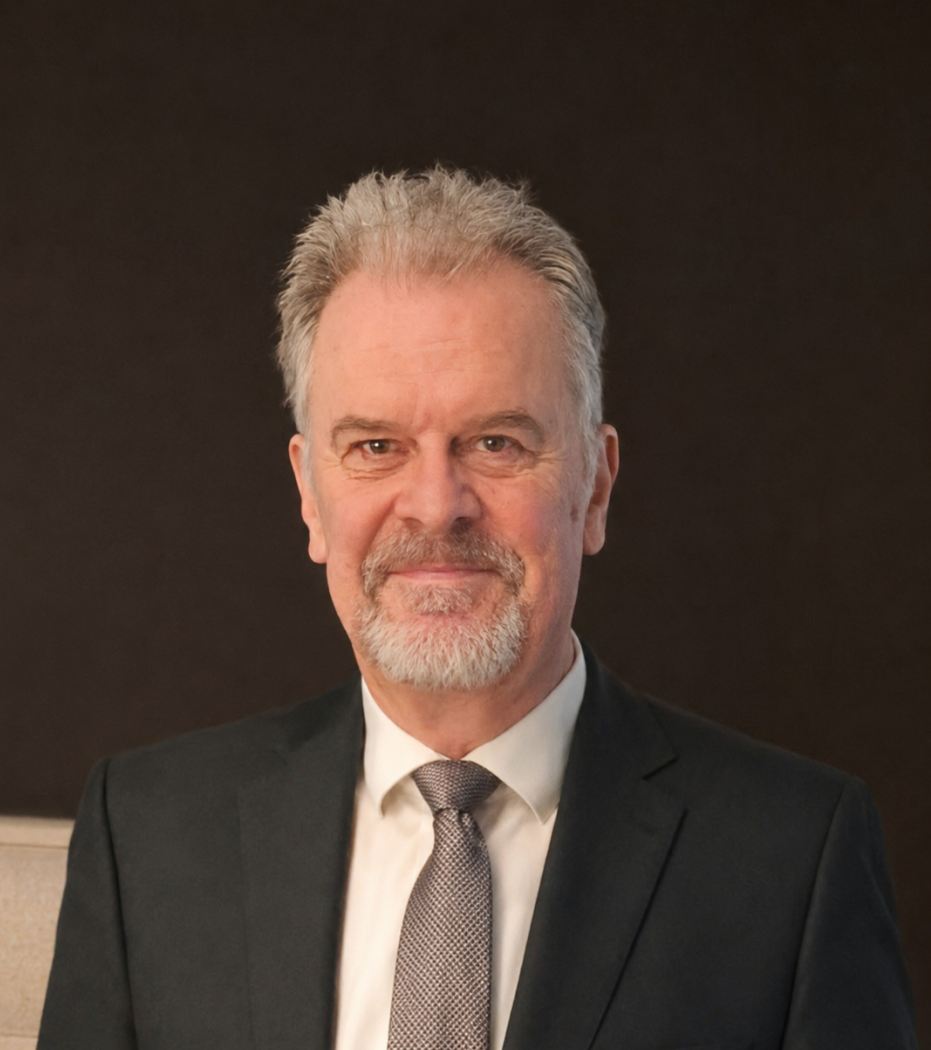
Edmund Humenberger
Symbiotic EDA Co-Founder and CEO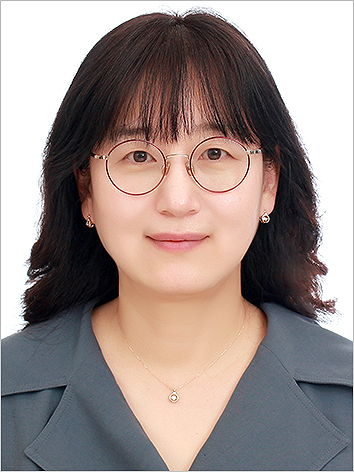
Heejeong Jeong
Pasqal Head of Quantum Computing US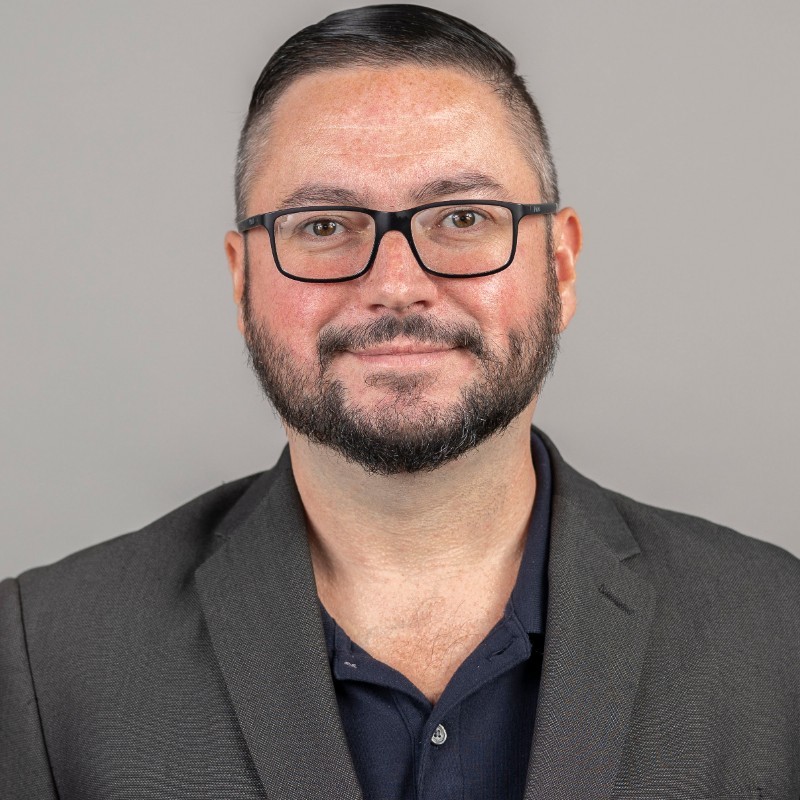
David Lariviere
University of Illinois Urbana-Champaign Clinical Professor of Industrial & Enterprise Systems Engineering Founder and Director of the FinTech Lab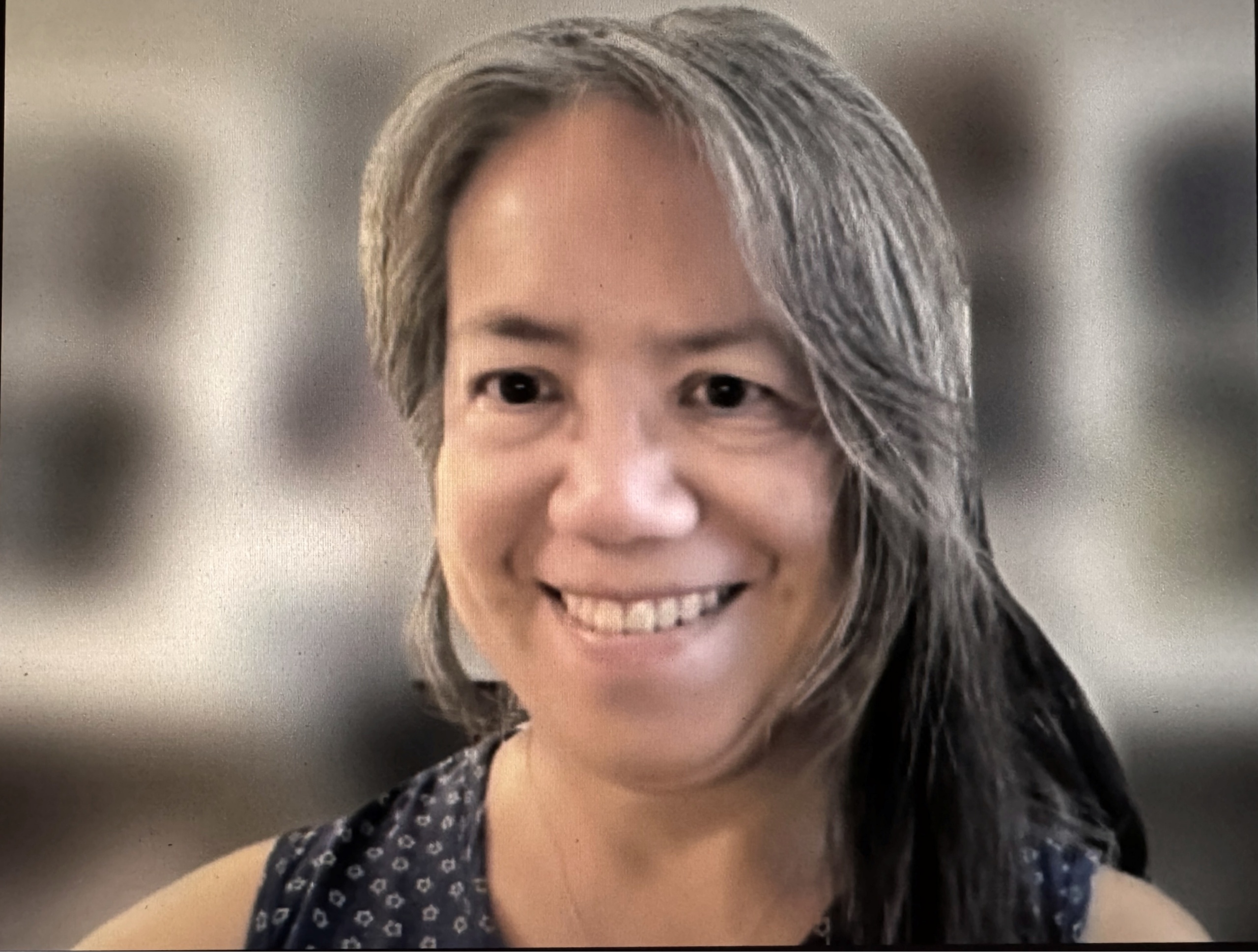
Anne Lee
Bell Labs Fellow & Advisor Women in AI USA
Andrew Lytle
Illinois Quantum & Microelectronics Park Program Manager for Quantum Algorithms R & D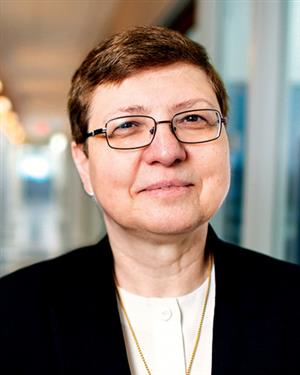
Klara Nahrstedt
University of Illinois Urbana-Champaign Swanlund Endowed Chair in Computer Science DPI Director of Research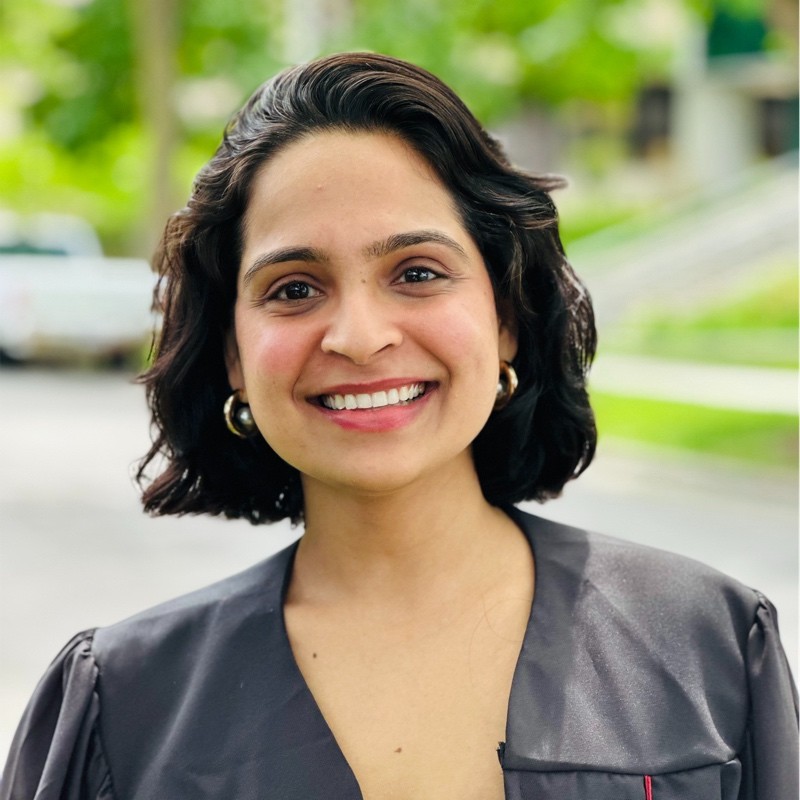
Tina Oberoi
University of Chicago Department of Computer Science Ph.D. Student
Seda Ogrenci
Northwestern University Professor of Electrical & Computer Engineering POSE HLS4ML Project Lead PI
Gene Robinson
University of Illinois Urbana-Champaign Swanlund Chair in Entomology DPI Executive Director & CEO
Laura Schulz
Argonne National Laboratory Argonne Leadership Computing Facility Project Lead for Quantum Innovation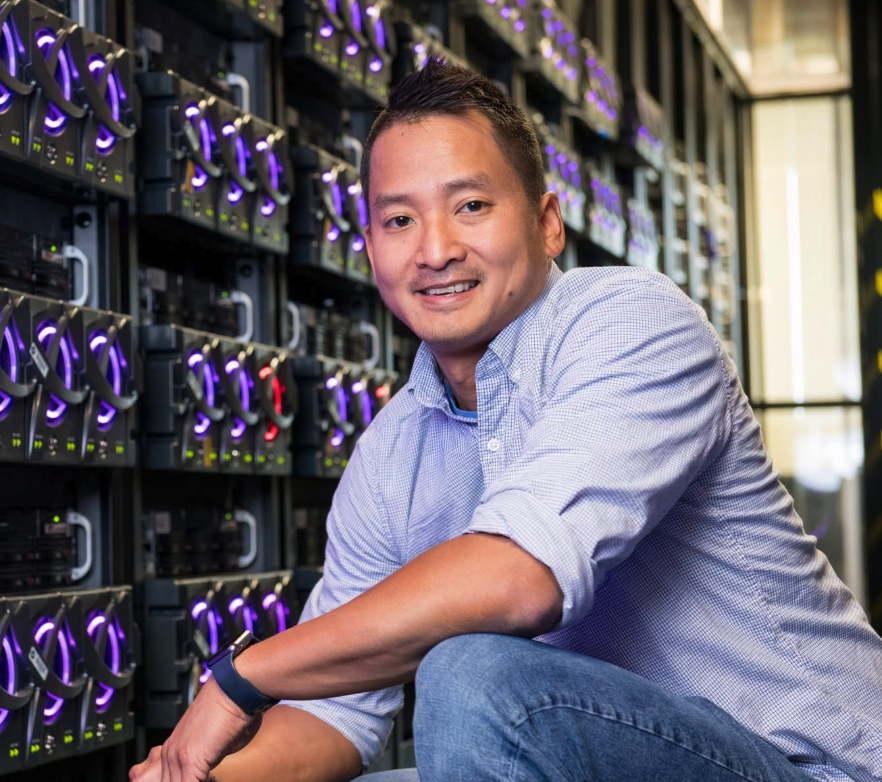
Nhan Tran
Fermilab Wilson Fellow AI Lead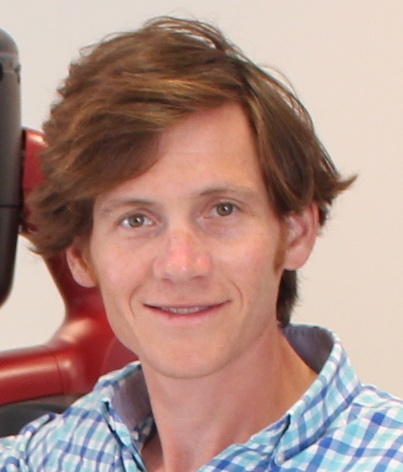
Matthew Walter
Toyota Technological Institute at Chicago Associate Professor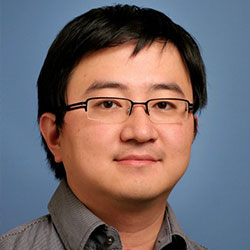
Qi Zhu
Northwestern University Professor of Electrical and Computer EngineeringPanelists
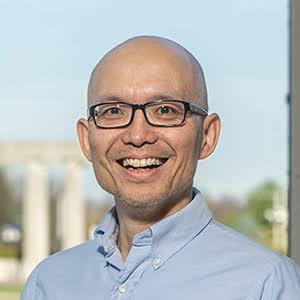
Hei-Chi Chan
University of Illinois Springfield Associate Professor of Mathematics Co-Founder, UIS AI Campus Learning Community
Ana Marija Sokovic
University of Illinois Chicago Lead Computational Scientist Advanced Cyberinfrastructure for Education and Research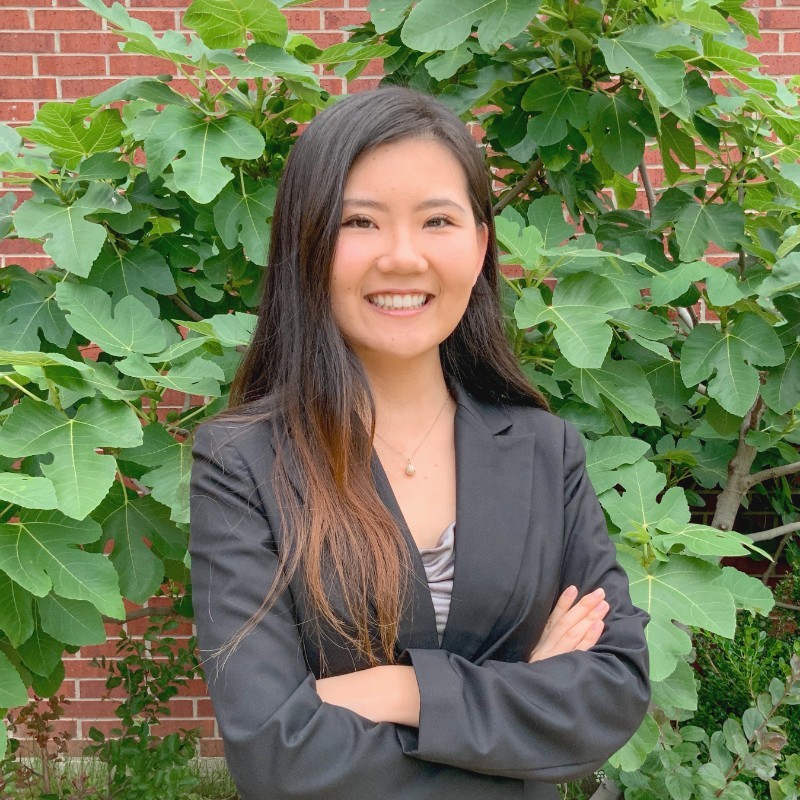
Qiaohong (Joanna) Wang
University of Chicago Ph.D. Candidate Pritzker School of Molecular Engineering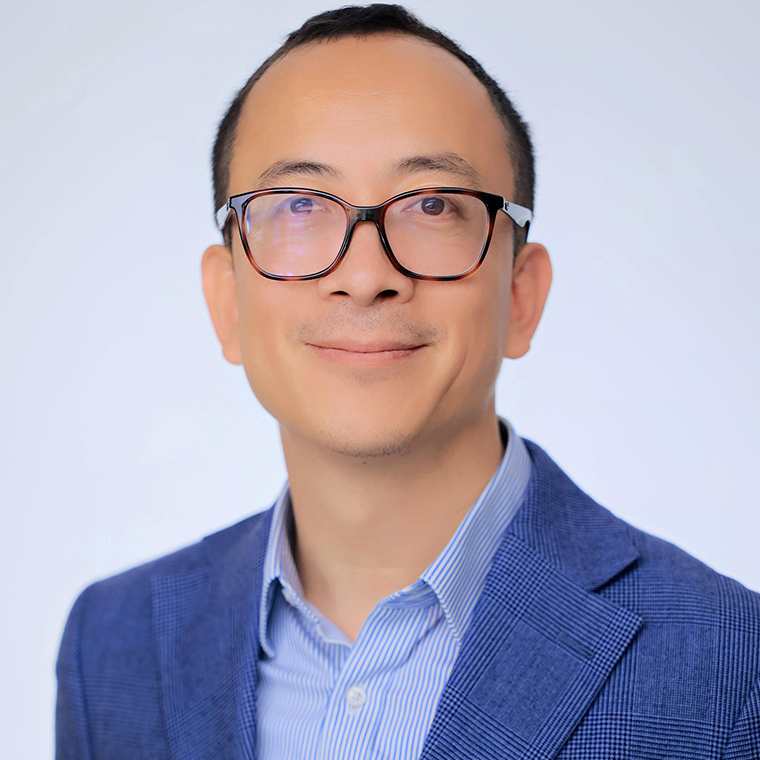
Xiaochen Zhang
AI 2030 CEO and Chief AI OfficerOrganizers
General Chair
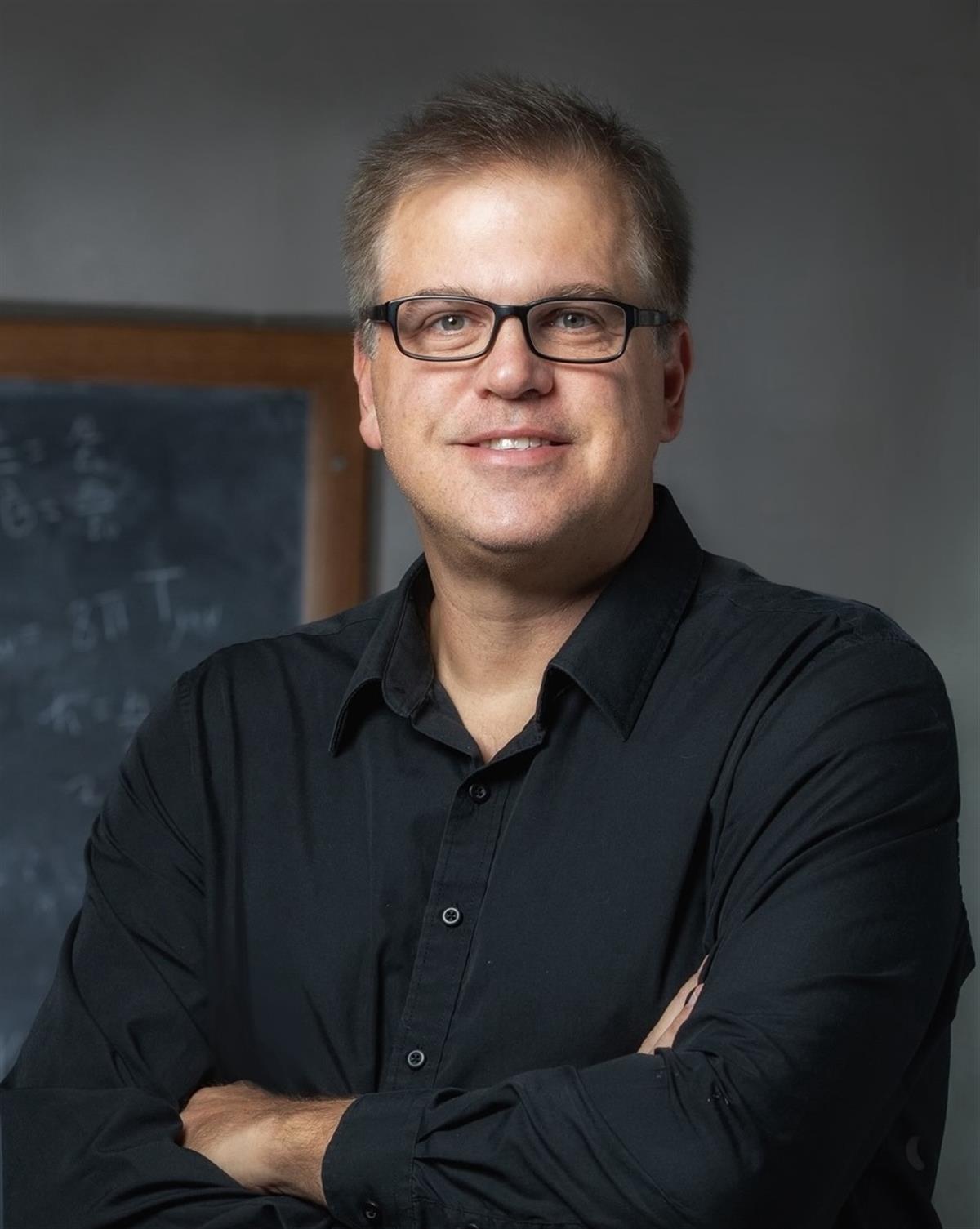
Mark Neubauer
University of Illinois Urbana-ChampaignCo-Chair
Ahmet Enis Cetin
University of Illinois ChicagoOrganizing Committee
Seda Ogrenci
Northwestern UniversityOrganizing Committee
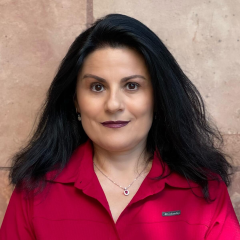
Sule Ozev
Arizona State UniversityLocal Organizer

Marco Colombo
Discovery Partners InstituteOrganizing Committee
Nhan Tran
FermilabOur Partners
FastML Foundation
Non-Profit Foundation
HLS4ML
Open Source Software Ecosystem
A3D3 Institute
NSF Harnessing the Data Revolution Institute
POSE HLS4ML Project
NSF Phase-II Pathways for Open Source Ecosystem
Discovery Partners Institute
Powering Responsible AI Innovation
Grainger College of Engineering
University of Illinois Urbana-Champaign
Electrical & Computer Engineering
Northwestern University